VR architecture opens up a world of possibilities in the realm of design, offering a unique perspective that blends innovation with practicality. As technology continues to shape the way we approach architectural projects, VR stands at the forefront, reshaping the landscape of creativity and collaboration.
Delve deeper into the intricacies of VR architecture as we explore its applications, tools, challenges, and future trends in this captivating discussion.
Introduction to VR Architecture
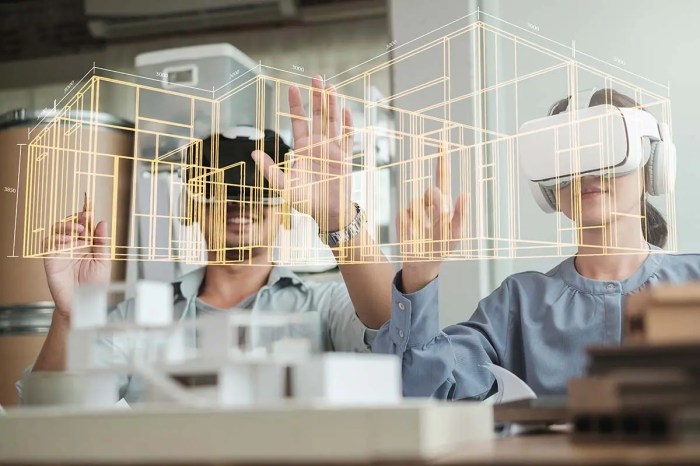
Virtual Reality (VR) architecture is a cutting-edge technology that allows architects and designers to create immersive 3D models of their projects, providing a realistic and interactive experience for clients and stakeholders. This technology is revolutionizing the architectural field by enabling professionals to visualize and explore their designs in a virtual environment before actual construction begins.
Significance of VR in Architectural Design
Using VR in architectural design processes offers a wide range of benefits, such as enhancing communication between architects, clients, and contractors through a shared virtual space. It allows for better collaboration and understanding of the design intent, resulting in fewer misunderstandings and revisions during the construction phase.
VR also helps in identifying design flaws and potential issues early on, saving time and resources in the long run.
Revolutionizing the Architectural Field
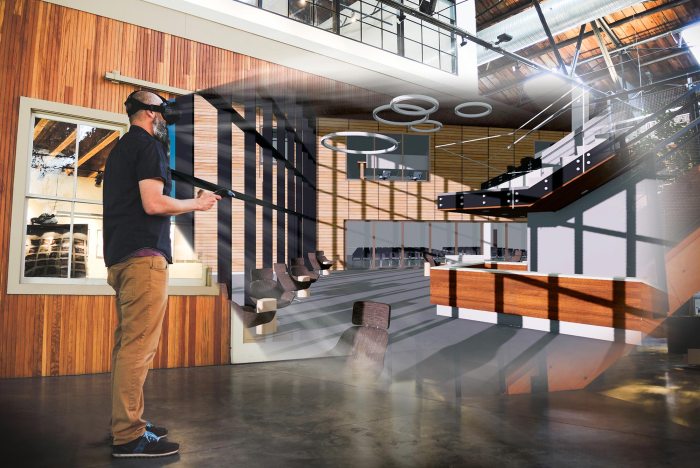
VR technology is transforming the way architects present their designs to clients, providing a more engaging and immersive experience that traditional 2D drawings or scale models cannot match. By allowing users to navigate through virtual spaces, experience different lighting conditions, and even interact with elements in the design, VR architecture brings projects to life in a way that was previously unimaginable.
Benefits of Using VR in Architectural Design
- Improved Visualization: VR enables clients to walk through and experience the design in a realistic way, leading to better decision-making and design outcomes.
- Time and Cost Savings: By detecting errors and making design changes in the virtual environment, architects can reduce the need for costly modifications during construction.
- Enhanced Communication: VR fosters clearer communication between all stakeholders by providing a common platform to discuss and review design concepts.
- Design Iteration: Architects can quickly iterate on design ideas and explore different options in VR, leading to more innovative and creative solutions.
Applications of VR in Architecture
Virtual Reality (VR) technology has revolutionized the field of architecture by offering innovative tools for design, visualization, and collaboration. Let’s explore some specific applications of VR in architecture and how it enhances the overall design process.
Design Visualization
VR allows architects to create immersive 3D models of their designs, providing a realistic sense of scale, proportion, and spatial relationships. This enables architects to visualize the final outcome of their projects more accurately and make informed design decisions.
Client Presentations
With VR, architects can offer clients virtual walkthroughs of their proposed designs, allowing them to experience the space firsthand before construction begins. This interactive experience helps clients better understand the design concept and make necessary modifications early in the process.
Collaborative Design
VR enhances collaboration among architects, clients, and stakeholders by enabling real-time communication and feedback. Multiple users can join a virtual design review session from different locations, making it easier to discuss and iterate on design ideas together. This collaborative approach leads to more efficient decision-making and a smoother project workflow.
Tools and Software for VR Architecture
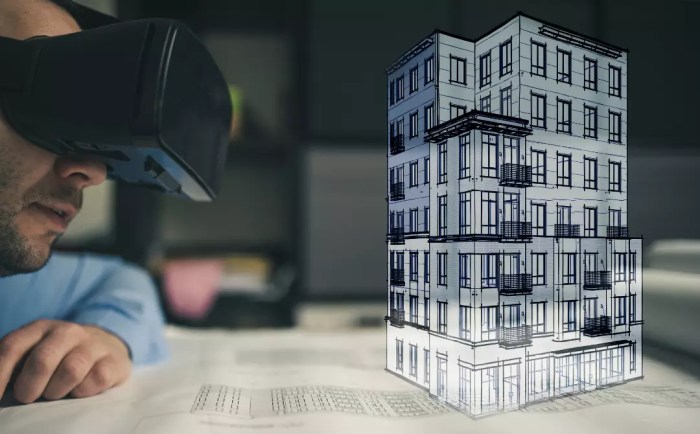
Virtual Reality (VR) has revolutionized architectural design by allowing architects to create immersive experiences for their clients. There are several popular VR tools and software specifically tailored for architects to enhance their design process and showcase their projects.
Popular VR Tools and Software
- Unity: A versatile platform that allows architects to create interactive 3D environments and walkthroughs.
- Unreal Engine: Known for its high-quality graphics and real-time rendering capabilities, ideal for creating photorealistic architectural visualizations.
- SketchUp with VRAY: Combines SketchUp’s intuitive 3D modeling interface with VRAY’s rendering capabilities to produce stunning architectural visualizations.
- Revit with Enscape: Integrates Revit’s Building Information Modeling (BIM) features with Enscape’s real-time rendering for immersive architectural experiences.
Features and Functionalities
These VR software offer a range of features tailored for architects, including:
- Real-time rendering for instant feedback on design changes.
- Interactivity to allow clients to explore the virtual spaces.
- Compatibility with BIM software for seamless integration of architectural models.
- High-quality graphics for photorealistic visualizations.
Successful Projects Using VR Architecture Software
Several architectural firms have leveraged VR software to create impressive projects, such as:
-
The Elbphilharmonie concert hall in Hamburg, Germany, was visualized using Unreal Engine to showcase its intricate design and acoustics.
-
The ARTECHOUSE exhibition space in Washington D.C. utilized Unity to create immersive digital art installations for visitors.
-
The Marina One mixed-use development in Singapore was designed using SketchUp with VRAY to present its sustainable architecture and lush greenery.
Challenges and Future Trends in VR Architecture
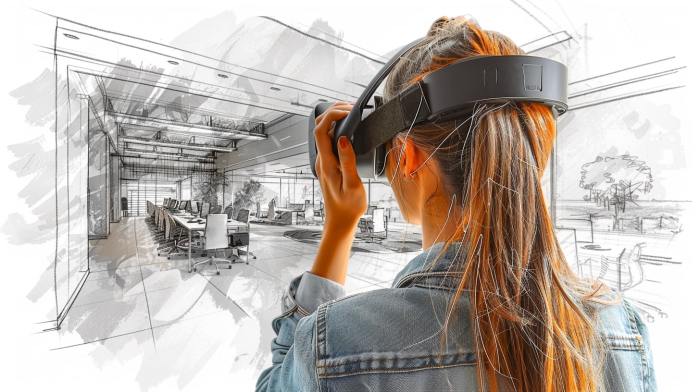
Virtual Reality (VR) technology has the potential to revolutionize the field of architecture, but it also comes with its own set of challenges that architects need to overcome. Additionally, as technology continues to advance, the future trends in VR architecture are worth exploring to understand how the industry may evolve over time and the impact it might have on architectural design and construction.
Challenges Faced by Architects in Adopting VR Technology
- Cost of Implementation: One of the main challenges architects face when adopting VR technology is the initial cost of implementation. High-quality VR equipment and software can be expensive, making it a barrier for smaller firms or individual architects.
- Learning Curve: Another challenge is the learning curve associated with VR technology. Architects need to invest time in understanding how to use VR tools effectively, which can be a daunting task for those unfamiliar with the technology.
- Hardware Limitations: VR hardware, such as headsets and controllers, may have limitations in terms of quality and performance, affecting the overall user experience and the ability to create accurate architectural visualizations.
- Integration with Existing Workflows: Integrating VR technology into existing architectural workflows can be challenging. Architects need to ensure that VR tools complement their current processes and do not disrupt project timelines or deliverables.
Future Trends in VR Architecture
- Collaborative Design Environments: Future trends in VR architecture may involve the development of collaborative design environments where architects, clients, and other stakeholders can interact in real-time within virtual spaces, enhancing communication and decision-making.
- Advanced Simulation and Visualization: As VR technology continues to evolve, architects may have access to more advanced simulation and visualization tools that allow for detailed analysis of architectural designs, materials, and environmental factors.
- Virtual Site Visits and Walkthroughs: Virtual site visits and walkthroughs using VR technology could become more common in the future, enabling architects to explore project sites remotely and make informed design decisions without the need for physical visits.
Potential Impact of VR on the Future of Architectural Design and Construction
- Enhanced Design Communication: VR technology has the potential to enhance design communication by providing clients and stakeholders with immersive experiences that allow them to better understand and visualize architectural concepts.
- Streamlined Design Processes: By integrating VR into the design process, architects can streamline workflows, improve collaboration, and make faster design iterations, ultimately leading to more efficient and cost-effective architectural projects.
- Sustainable Design Practices: VR tools can help architects simulate and analyze environmental impacts, energy efficiency, and sustainability factors in their designs, leading to more environmentally friendly and sustainable architectural solutions.
Ending Remarks
Embark on a journey through the evolving landscape of VR architecture, where imagination meets functionality in a harmonious blend of digital innovation. From enhancing design processes to fostering seamless collaboration, VR architecture paves the way for a future where boundaries are blurred and creativity knows no limits.
Question & Answer Hub
What are some key benefits of using VR in architectural design processes?
VR allows architects to visualize designs in 3D, identify potential flaws early on, and provide clients with immersive walk-through experiences, enhancing communication and decision-making.
How does VR technology enhance collaboration among architects, clients, and stakeholders?
VR enables real-time feedback, virtual meetings, and shared design experiences, fostering better understanding and alignment among all parties involved in the architectural project.
What are some challenges faced by architects when adopting VR technology?
Challenges may include initial costs of VR equipment, learning curve for new software, and ensuring compatibility with existing design processes.
How do you predict VR architecture will evolve over time?
VR architecture is likely to become more integrated with AI, offer advanced simulation capabilities, and streamline design iterations, leading to even greater efficiency and creativity in the field.