Delving into the realm of Property management software, this introductory paragraph aims to provide a captivating glimpse into the intricacies of managing properties efficiently and effectively. From streamlining tasks to enhancing tenant-landlord interactions, the use of property management software offers a myriad of benefits that are essential in today’s real estate landscape.
Introduction to Property Management Software
Property management software is a specialized tool designed to help real estate professionals manage their properties efficiently. This software automates various tasks such as rent collection, maintenance requests, tenant communication, and financial reporting.
Main Features and Benefits of Property Management Software
- Centralized Data Management: Property management software allows users to store all property-related information in one place, making it easier to access and update as needed.
- Automated Rent Collection: With this software, landlords can set up automated rent collection, reducing the risk of late payments and streamlining the process.
- Maintenance Tracking: Users can easily log and track maintenance requests, assign tasks to vendors, and monitor progress, ensuring timely resolution of issues.
- Financial Reporting: Property management software generates detailed financial reports, including income and expense statements, helping users track their financial performance.
Importance of Property Management Software in Real Estate Operations
Property management software plays a crucial role in streamlining real estate operations by improving efficiency, reducing manual errors, and enhancing overall tenant satisfaction. By automating repetitive tasks and providing valuable insights through data analytics, this software enables property managers to focus on strategic decision-making and growing their portfolios.
Types of Property Management Software
Property management software comes in various types, each catering to different needs and preferences of property managers. Let’s explore the different types available in the market.
Cloud-Based Property Management Software
Cloud-based property management software is hosted on remote servers and accessed through the internet. This type of software offers flexibility, scalability, and accessibility from any device with an internet connection. Users can easily manage properties, tenants, maintenance requests, and financials in real-time.
Additionally, cloud-based software typically offers automatic updates and backups, ensuring data security and efficiency.
On-Premise Property Management Software
On-premise property management software is installed and operated on local servers or computers. This type of software provides full control over data and customization options but may require higher upfront costs for hardware and maintenance. On-premise software is suitable for larger property management companies that prefer to keep data within their own infrastructure and have specific security requirements.
Scalability of Property Management Software Solutions
When considering the scalability of property management software solutions, it’s essential to evaluate how well the software can adapt to the growth of your property portfolio. Cloud-based software is often more scalable as it can easily accommodate additional properties, units, or users without the need for significant hardware upgrades.
On the other hand, on-premise software may have limitations in scalability based on the capacity of the local servers or infrastructure.Overall, the choice between cloud-based and on-premise property management software depends on factors such as budget, security preferences, scalability needs, and ease of access.
Property managers should carefully assess their requirements and consider the pros and cons of each type before making a decision.
Key Features of Property Management Software
Property management software offers various key features that help streamline tasks for property managers and landlords. These features are designed to simplify processes, improve efficiency, and enhance communication between all parties involved in property management.
Rent Collection
Rent collection is a crucial feature of property management software that enables landlords to easily collect rent payments from tenants. It provides various payment options, including online payments, automatic recurring payments, and late fee calculations. This feature helps ensure timely rent collection and reduces the hassle of manual tracking.
Maintenance Tracking
Property management software includes maintenance tracking tools that allow landlords to efficiently manage maintenance requests and work orders. Landlords can easily track the status of maintenance tasks, assign responsibilities to maintenance staff or contractors, and schedule preventive maintenance. This feature helps ensure timely maintenance and upkeep of the property.
Financial Reporting
Financial reporting is another essential feature of property management software that provides landlords with detailed financial insights. It enables landlords to generate reports on rent payments, expenses, profits, and losses. Landlords can track financial performance, monitor cash flow, and make informed decisions based on accurate financial data.
Automation Tools
Automation tools within property management software help automate repetitive tasks and streamline processes. These tools can automate rent reminders, lease renewals, late fee calculations, and tenant screening processes. By automating these tasks, property managers can save time, reduce manual errors, and improve overall efficiency.
Communication Tools
Property management software includes communication tools that enhance tenant-landlord interactions. These tools facilitate easy communication through built-in messaging systems, email notifications, and online portals. Landlords can quickly respond to tenant inquiries, send important announcements, and maintain transparent communication with tenants.
Implementation and Integration
Implementing property management software is a crucial step in streamlining operations and improving efficiency in managing properties. Here is a step-by-step guide on how to successfully implement property management software and integrate it with other tools:
Step-by-Step Guide for Implementation
- 1. Assess your needs: Identify the specific requirements and goals you aim to achieve with the property management software.
- 2. Research and select the right software: Look for software that aligns with your needs and budget. Consider factors like scalability, user-friendliness, and customer support.
- 3. Install and set up the software: Follow the installation instructions provided by the software vendor and configure the settings according to your requirements.
- 4. Data migration: Transfer existing property data to the new software carefully to ensure accuracy and completeness.
- 5. Training: Provide comprehensive training to staff members on how to use the software effectively to maximize its benefits.
- 6. Testing and feedback: Conduct thorough testing to ensure the software functions as intended and gather feedback from users for improvements.
- 7. Go live: Once testing is successful and users are comfortable with the software, officially launch it for day-to-day operations.
Integration with Other Tools
- Property management software can be integrated with accounting software to streamline financial processes such as rent collection, invoice generation, and financial reporting.
- Integration with CRM tools can enhance communication with tenants and improve customer relationship management.
- Integrating with maintenance management software can automate work orders and maintenance requests for efficient property upkeep.
Best Practices for Training Staff
- Provide hands-on training sessions with real-case scenarios to help staff understand how to navigate the software and perform tasks effectively.
- Offer ongoing support and resources for staff to refer to when they encounter challenges or need assistance with using the software.
- Create user guides and manuals that Artikel step-by-step instructions on using the software and encourage staff to refer to them for quick reference.
- Encourage feedback from staff on their experience with the software to identify areas for improvement and provide additional training if needed.
Trends in Property Management Software
Property management software is constantly evolving to meet the needs of property managers and streamline operations. Let’s explore some of the key trends shaping the industry.
Emerging Technologies: AI and IoT
Artificial Intelligence (AI) and Internet of Things (IoT) are revolutionizing property management software. AI-powered tools can analyze data to predict maintenance needs, optimize rental prices, and even automate communication with tenants. IoT devices, such as smart thermostats and security cameras, provide real-time data that can be integrated into property management platforms for more efficient monitoring and control.
Impact of Mobile Apps
Mobile apps have become essential tools for property managers, allowing them to access important information and communicate with tenants on the go. These apps enable property managers to perform tasks such as scheduling maintenance, tracking rent payments, and responding to tenant inquiries quickly and efficiently.
The convenience and accessibility offered by mobile apps have significantly improved property management operations.
Data Analytics and Reporting Tools
Data analytics and reporting tools play a crucial role in helping property managers make informed decisions. By analyzing data on rental trends, maintenance history, and tenant behavior, property managers can identify opportunities for cost savings, revenue growth, and tenant retention.
These tools provide valuable insights that empower property managers to optimize their operations and maximize profitability.
Ending Remarks
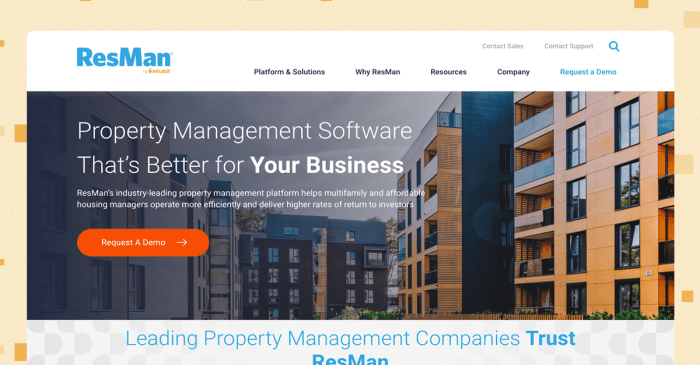
In conclusion, Property management software serves as a vital tool for modern real estate operations, offering a comprehensive solution to streamline processes, improve communication, and make informed decisions. As technology continues to evolve, embracing these innovative solutions is crucial for staying ahead in the competitive property management industry.
Commonly Asked Questions
How can property management software benefit real estate operations?
Property management software can streamline tasks, improve communication, and enhance decision-making processes in real estate operations.
What are the main features of property management software?
Main features include rent collection, maintenance tracking, financial reporting, automation tools, and communication enhancement.
What are the different types of property management software available?
There are various types such as cloud-based and on-premise solutions, each with its own advantages and considerations.