Embark on a journey through the realm of architecture design, where creativity meets functionality and innovation intertwines with tradition. This guide delves into the essence of architectural design, shedding light on its principles, elements, styles, and technological advancements that shape the built environment we inhabit.
What is Architecture Design?
Architecture design is the art and science of designing and constructing buildings and other physical structures. It involves creating spaces that are not only functional and safe but also aesthetically pleasing. Architecture design plays a crucial role in various industries, including real estate, construction, urban planning, and interior design.
Principles of Architecture Design
Architecture design is guided by several key principles that help architects create structures that are both functional and visually appealing. Some of the fundamental principles include:
- Form follows function: This principle emphasizes that the design of a building should be based on its intended purpose and functionality.
- Balance and symmetry: Achieving a sense of balance and symmetry in a building’s design helps create visual harmony.
- Proportion and scale: Proper proportions and scale ensure that the various elements of a building relate harmoniously to each other.
- Unity and variety: Balancing unity and variety in a design creates interest and coherence in the overall structure.
Iconic Architectural Designs
There are numerous iconic architectural designs around the world that have left a lasting impact due to their innovative concepts and unique aesthetics. Examples include:
- The Eiffel Tower in Paris, France: Known for its distinctive iron lattice structure and iconic silhouette.
- The Sydney Opera House in Australia: Renowned for its sail-like shell structures that grace the Sydney Harbour.
- The Burj Khalifa in Dubai, UAE: The tallest building in the world, characterized by its sleek, modern design and impressive height.
Traditional vs. Modern Architectural Approaches
Traditional architectural design methods often focused on historical styles and craftsmanship, while modern approaches prioritize innovation, sustainability, and technology integration. The evolution of architectural styles over time reflects changes in societal values, materials, and construction techniques.
Elements of Architecture Design
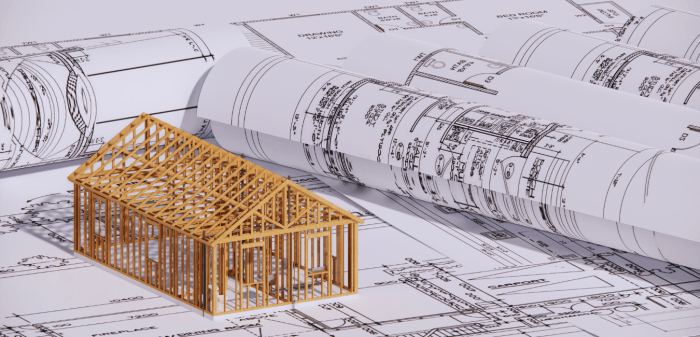
Architecture design encompasses various key elements that work together to create functional, visually appealing, and sustainable structures. These elements include form, function, space, light, materials, textures, and sustainability practices.
Form
The form of a building refers to its shape, structure, and overall visual appearance. Architects carefully consider the form of a building to ensure it meets the intended design objectives and aesthetic goals.
Function
The function of a building is vital in architecture design as it determines how the space will be used and experienced. Architects must carefully plan and design spaces to cater to the needs and activities of the occupants.
Space and Light
Space and light are essential elements in architecture design as they influence the ambiance, mood, and functionality of a space. Architects strategically manipulate space and light to create dynamic and engaging environments.
Materials and Textures
The choice of materials and textures in architecture design plays a crucial role in defining the overall look and feel of a building. Different materials and textures can evoke various emotions and contribute to the aesthetic appeal of a structure.
Sustainability Practices
Sustainability and eco-friendly practices have become increasingly important in modern architecture design. Architects are incorporating sustainable materials, energy-efficient systems, and green building practices to minimize environmental impact and promote a healthier planet.
Harmony and Balance
Architectural elements are used to create a sense of harmony and balance in a structure. By carefully arranging forms, spaces, materials, and light, architects achieve a cohesive and visually pleasing design that enhances the overall experience of the space.
Architectural Styles and Movements
Architectural styles and movements have played a significant role in shaping the design of buildings throughout history. They reflect cultural influences and the evolution of design trends over time.
Modernism
Modernism emerged in the early 20th century, emphasizing simplicity, functionality, and the use of new materials such as glass and steel. Prominent examples include the Bauhaus School in Germany and the Seagram Building in New York.
Postmodernism
Postmodernism challenged the strict principles of modernism by incorporating historical elements, humor, and a variety of forms. The Piazza d’Italia in New Orleans and the AT&T Building in New York are notable postmodernist structures.
Neoclassical
Neoclassical architecture draws inspiration from classical Greek and Roman styles, featuring grandeur, symmetry, and ornate details. The White House in Washington, D.C., and the Panthéon in Paris exemplify neoclassical design.
Contemporary Design
Contemporary architecture is characterized by innovative and sustainable practices, with a focus on environmental impact and technology. The Guggenheim Museum in Bilbao and the CCTV Headquarters in Beijing showcase contemporary design principles.
Technology and Innovation in Architecture Design
Technology has significantly transformed the field of architecture design, bringing about new possibilities and innovations that were once unimaginable. From 3D modeling to sustainable building practices, the impact of technology in architecture is profound and far-reaching.
3D Modeling and Sustainable Building Practices
- 3D modeling software allows architects to create detailed virtual representations of their designs, enabling them to visualize and modify the structure before actual construction begins. This not only enhances the design process but also helps in identifying potential issues early on.
- Sustainable building practices, such as the use of green materials, energy-efficient systems, and passive design strategies, have been made more accessible through technological advancements. Architects can now incorporate these elements into their designs to create environmentally friendly buildings that reduce carbon footprint.
AI and Machine Learning in Architectural Design
- Artificial Intelligence (AI) and machine learning algorithms are being utilized to optimize architectural design processes. These technologies can analyze vast amounts of data to generate design solutions that are efficient, cost-effective, and tailored to specific requirements.
- AI-powered tools can also assist in generating design variations, performing complex calculations, and predicting the performance of a building under different conditions, ultimately streamlining the design process and improving overall outcomes.
Innovative Materials and Construction Techniques
- Advancements in materials science have led to the development of innovative construction materials that offer enhanced strength, durability, and sustainability. Materials like carbon fiber, self-healing concrete, and bio-based composites are revolutionizing the way buildings are constructed.
- New construction techniques, such as 3D printing, modular construction, and prefabrication, are also reshaping the industry by reducing construction time, minimizing waste, and increasing efficiency in the building process.
Virtual Reality and Augmented Reality in Architecture Design
- Virtual Reality (VR) and Augmented Reality (AR) technologies are being increasingly used in architecture design and visualization. Architects can now immerse themselves and their clients in virtual environments to experience the design in a realistic and interactive way.
- VR and AR enable stakeholders to walk through virtual buildings, explore spatial relationships, and make informed decisions about design elements before the construction phase. This enhances communication, collaboration, and overall project outcomes.
Wrap-Up
As we conclude our exploration of archi design, it becomes evident that the fusion of artistry and engineering is at the core of creating timeless structures. Let this guide serve as a beacon for those seeking to understand and appreciate the intricate world of architectural design.
Clarifying Questions
What role does sustainability play in architecture design?
Sustainability is crucial in architecture design as it focuses on creating environmentally friendly structures that minimize negative impacts on the planet.
How do cultural influences shape different architectural styles?
Cultural influences play a significant role in shaping architectural styles by reflecting the values, traditions, and aesthetics of a particular society or region.
What are some key technological advancements in architecture design?
Technological advancements in architecture design include 3D modeling, AI integration, sustainable building practices, and virtual reality tools for visualization.