With boral poly ash at the forefront, this paragraph opens a window to an amazing start and intrigue, inviting readers to embark on a storytelling journey filled with unexpected twists and insights.
Boral Poly Ash is a revolutionary material that has been making waves in various industries due to its unique properties and eco-friendly nature. From construction to environmental sustainability, this versatile product offers a wide range of benefits that are reshaping the way we think about traditional materials.
Introduction to Boral Poly Ash
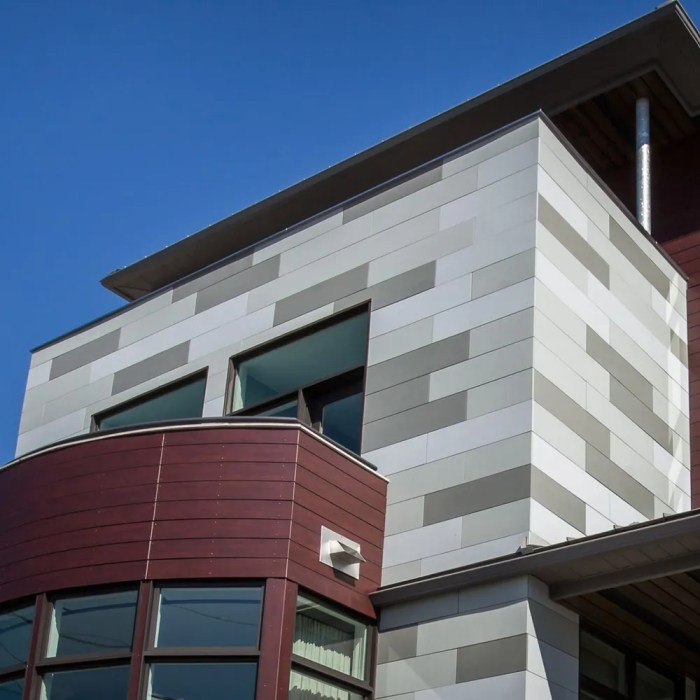
Boral Poly Ash is a versatile building material made from a combination of recycled polymers and coal combustion products, primarily fly ash. This innovative product is designed to mimic the look and feel of natural wood while offering superior durability and sustainability benefits.
Production Process of Boral Poly Ash
Boral Poly Ash is produced through a specialized manufacturing process that involves blending fly ash, a byproduct of coal combustion, with recycled polymers. This mixture is then extruded into various profiles, such as decking boards or trim pieces, to create a durable and environmentally-friendly building material.
Benefits of Using Boral Poly Ash
- Environmentally Friendly: By using recycled materials like fly ash and polymers, Boral Poly Ash helps reduce waste and promote sustainability in construction projects.
- Durability: Boral Poly Ash is highly resistant to moisture, rot, and pests, making it an ideal choice for outdoor applications where traditional wood products may deteriorate over time.
- Low Maintenance: Unlike natural wood, Boral Poly Ash does not require staining, sealing, or painting, saving time and money on upkeep.
- Design Versatility: Boral Poly Ash comes in a variety of colors and profiles, allowing for endless design possibilities in both residential and commercial settings.
Properties of Boral Poly Ash
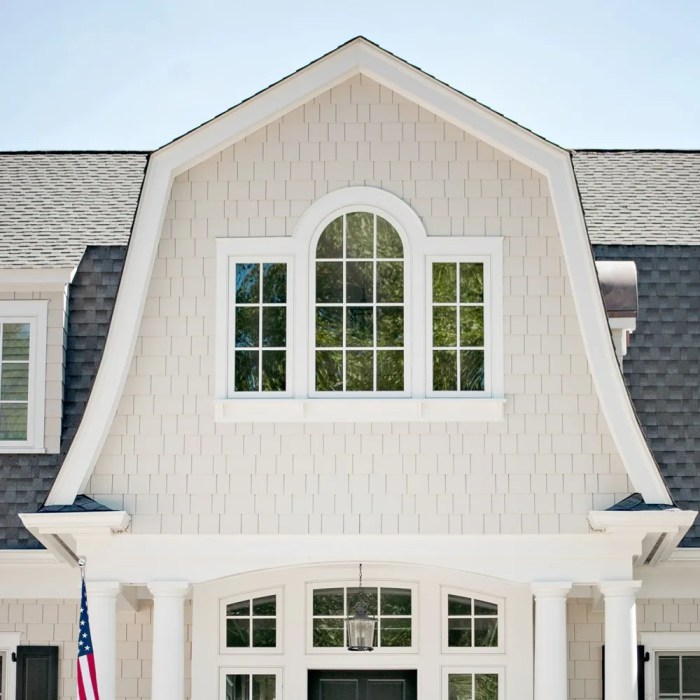
Boral Poly Ash is a unique material with distinct physical and chemical properties that set it apart from traditional materials like cement.
Physical Properties
- Lightweight: Boral Poly Ash is significantly lighter than cement, making it easier to transport and handle.
- Durable: This material is known for its high durability, making it suitable for a wide range of construction applications.
- Weather-resistant: Boral Poly Ash is resistant to weathering, ensuring longevity in various environmental conditions.
- Low thermal conductivity: It has low thermal conductivity, providing excellent insulation properties.
Chemical Composition
- Boral Poly Ash is primarily composed of fly ash, a byproduct of coal combustion, and other proprietary additives.
- The chemical composition of Boral Poly Ash may vary depending on the specific formulation used, but it typically contains silica, alumina, iron oxide, and calcium oxide.
- These components contribute to the unique properties of Boral Poly Ash, enhancing its strength and durability.
Comparison to Traditional Materials
- Compared to cement, Boral Poly Ash offers superior durability and weather resistance.
- It has a lower environmental impact due to its use of recycled materials like fly ash.
- Boral Poly Ash also has excellent workability and can be easily molded into various shapes and sizes.
Applications of Boral Poly Ash
Poly Ash is a versatile material that finds applications in various industries due to its unique properties and benefits. Let’s explore some of the common uses and advantages of Boral Poly Ash.
Enhancing Construction Materials
Poly Ash is commonly used as a supplementary cementitious material in the production of concrete. By replacing a portion of cement with Poly Ash, the performance of concrete is improved significantly. Poly Ash enhances the durability, strength, and workability of concrete, making it a preferred choice for construction projects.
Additionally, the use of Poly Ash reduces the carbon footprint of concrete production, making it an environmentally friendly alternative.
Environmental Impact
Using Boral Poly Ash as a sustainable alternative in construction materials offers significant environmental benefits. By utilizing Poly Ash in concrete production, the amount of cement needed is reduced, leading to lower carbon dioxide emissions and energy consumption. This helps in conserving natural resources and reducing the environmental impact of construction activities.
Overall, the use of Boral Poly Ash contributes to a more sustainable and eco-friendly construction industry.
Case Studies and Success Stories
Incorporating Boral Poly Ash in construction projects has led to numerous success stories and positive outcomes. Let’s delve into some real-world examples to understand the benefits and challenges associated with using Boral Poly Ash.
Residential Project in California
- A residential construction project in California utilized Boral Poly Ash as a sustainable alternative to traditional wood materials.
- The project aimed to achieve LEED certification and reduce environmental impact.
- By using Boral Poly Ash, the builders were able to enhance the durability and longevity of the structure while maintaining a beautiful aesthetic.
- The outcome was a modern, eco-friendly home that exceeded the client’s expectations in terms of both performance and design.
Commercial Building Renovation in New York
- A commercial building renovation project in New York City integrated Boral Poly Ash into the exterior cladding system.
- The goal was to improve the building’s energy efficiency and reduce maintenance costs over time.
- Boral Poly Ash proved to be an excellent choice due to its resistance to moisture, rot, and insect damage, making it ideal for urban environments.
- As a result, the renovated building not only achieved a sleek and modern look but also demonstrated significant cost savings in terms of maintenance and upkeep.
End of Discussion
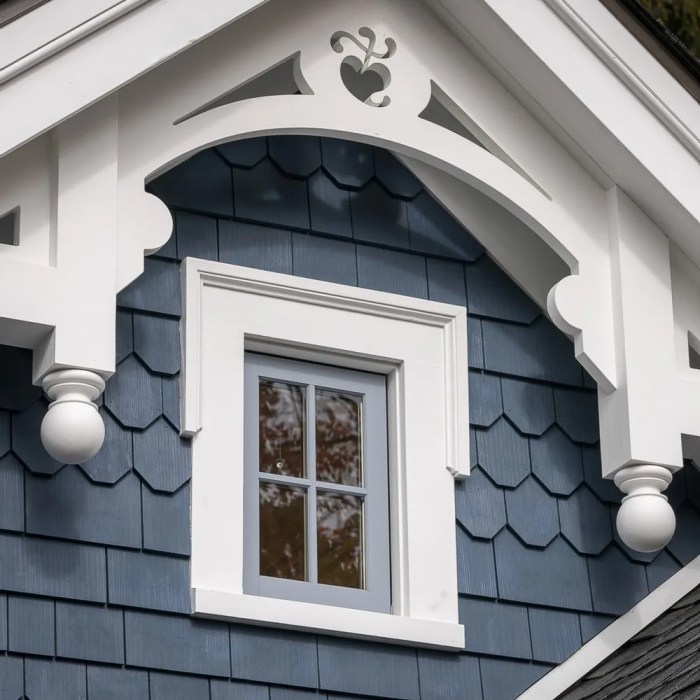
In conclusion, Boral Poly Ash stands as a testament to innovation and sustainability in modern construction practices. Its impact on enhancing materials, reducing environmental footprint, and overcoming challenges is undeniable. As we look towards the future of construction, Boral Poly Ash remains a key player in shaping a more sustainable industry.
FAQ
What are the primary uses of Boral Poly Ash?
Boral Poly Ash is commonly used in construction materials, such as concrete, mortar, and grout, to enhance their performance and durability.
How does Boral Poly Ash compare to traditional materials like cement?
Boral Poly Ash offers improved properties such as higher strength, reduced permeability, and enhanced durability compared to traditional materials like cement.
What are some industries where Boral Poly Ash is commonly used?
Boral Poly Ash is widely used in industries such as construction, infrastructure development, and environmental remediation.