Embark on a journey through the world of house design, where functionality meets aesthetics in perfect harmony. Get ready to explore how a well-thought-out design can elevate your living experience to new heights.
In this guide, we delve into the key elements of house design, the importance of sustainable practices, and the seamless integration of interior and exterior spaces.
Importance of House Design
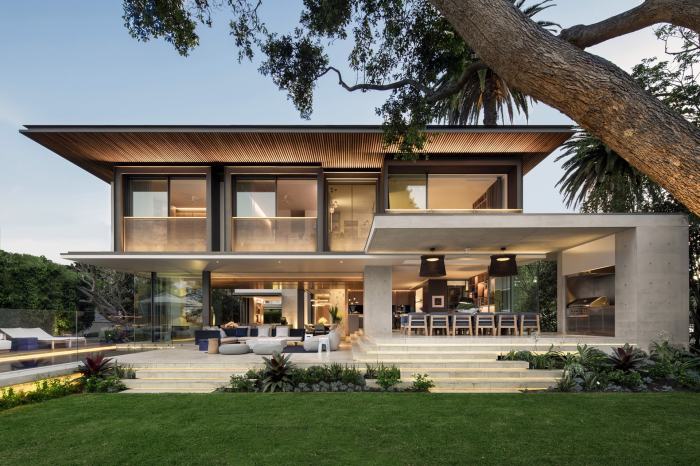
House design plays a crucial role in creating a space that is not only visually appealing but also functional and conducive to a comfortable lifestyle. A well-thought-out house design can significantly impact the way we live and interact with our surroundings.
Enhancing Living Quality
- Efficient Space Utilization: A good house design maximizes the use of space, ensuring that every square foot is utilized effectively. This can lead to a more organized and clutter-free living environment.
- Natural Light and Ventilation: Properly designed homes allow natural light to flow in and promote good ventilation, creating a bright and airy atmosphere. This can contribute to a healthier and more pleasant living environment.
- Integration of Indoor and Outdoor Spaces: Well-designed homes often blur the lines between indoor and outdoor spaces, connecting residents with nature and providing opportunities for relaxation and enjoyment.
Impact on Mood and Productivity
- Color and Texture Choices: The design elements used in a house, such as colors and textures, can have a significant impact on mood. Warm colors can create a cozy and inviting atmosphere, while cool colors can promote relaxation and focus.
- Functional Layout: A thoughtfully designed layout can enhance productivity by creating dedicated spaces for work, relaxation, and socializing. This can help residents stay organized and focused on their tasks.
- Personalization and Comfort: Customizing the design of a house to reflect the preferences and lifestyle of its occupants can contribute to a sense of comfort and well-being, ultimately improving mood and overall quality of life.
Elements of House Design
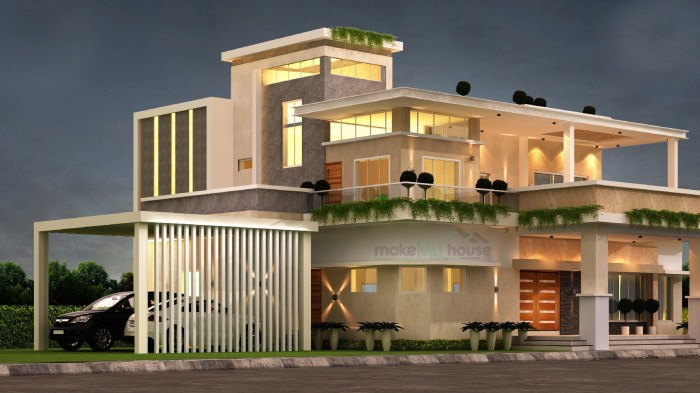
When it comes to designing a house, several key elements play a crucial role in creating a functional and aesthetically pleasing living space. From the layout and lighting to color schemes and architectural styles, each aspect contributes to the overall design of a house.
Layout
The layout of a house is one of the most fundamental elements of design. It involves the arrangement of rooms, corridors, and spaces within the house to ensure optimal functionality and flow. A well-thought-out layout can enhance the usability of the space and create a comfortable living environment for occupants.
Lighting
Lighting is another essential element in house design as it not only affects the ambiance of a space but also influences the mood and functionality of different areas. Natural light, artificial lighting fixtures, and their placement can significantly impact the overall design and feel of a house.
Color Schemes
Color schemes play a significant role in setting the tone and style of a house. Different color combinations can evoke various emotions and create different atmospheres within a space. From neutral tones to bold hues, choosing the right color scheme can transform the look and feel of a house.
Architectural Styles
Different architectural styles, such as modern, traditional, minimalist, or contemporary, can greatly influence house design. Each style comes with its unique characteristics, materials, and features that impact the overall aesthetics and functionality of a house. Understanding these styles can help homeowners create a cohesive and harmonious design for their living space.
Furniture and Decor
Furniture and decor play a crucial role in complementing the overall house design. The choice of furniture pieces, accessories, and decorative items can enhance the style, theme, and functionality of a space. From selecting the right furniture layout to incorporating decor elements, every detail contributes to the overall design aesthetic of a house.
Sustainable House Design
When it comes to sustainable house design, the focus is on creating homes that are energy-efficient, environmentally friendly, and cost-effective in the long run. By incorporating innovative materials and technologies, sustainable house design aims to reduce the carbon footprint of buildings and promote a healthier living environment for homeowners.
Energy-Efficient Practices
Implementing energy-efficient practices is crucial in sustainable house design. This includes using proper insulation, energy-efficient windows, and doors, as well as incorporating passive solar design principles to reduce the need for artificial heating and cooling.
- Utilizing solar panels to generate electricity and heat water, reducing reliance on traditional energy sources.
- Installing energy-efficient appliances and lighting fixtures to lower energy consumption.
- Utilizing natural ventilation strategies to reduce the need for mechanical cooling systems.
Innovative Materials and Technologies
Innovative materials and technologies play a significant role in eco-friendly house design. These advancements not only reduce environmental impact but also offer enhanced durability and performance compared to traditional building materials.
One example is the use of recycled materials such as reclaimed wood or recycled plastic for construction, reducing waste and promoting sustainability.
| Material/Technology | Benefits |
|---|---|
| Green roofs | Improve insulation, reduce heat island effect, and promote biodiversity. |
| Double-glazed windows | Enhance thermal efficiency and sound insulation. |
| Greywater recycling systems | Reuse water from sinks and showers for irrigation, reducing water waste. |
Benefits of Sustainable House Design
Sustainable house design offers numerous benefits, not only for the environment but also for homeowners. By reducing energy consumption and promoting a healthier indoor environment, sustainable homes contribute to a more sustainable future for all.
- Lower energy bills due to reduced energy consumption.
- Improved indoor air quality and comfort for occupants.
- Increased property value and marketability in the long run.
Interior vs. Exterior House Design
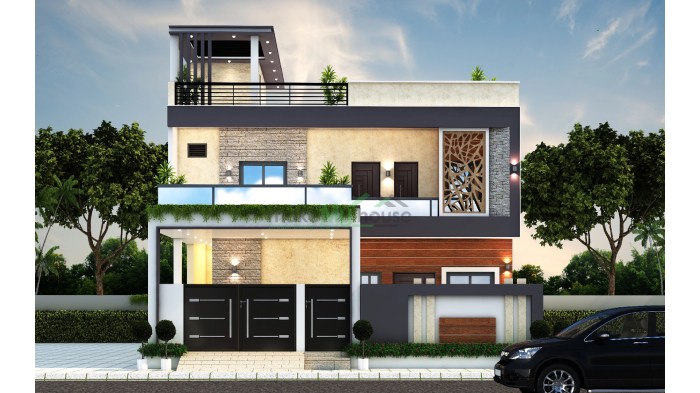
When it comes to house design, both the interior and exterior play crucial roles in creating a cohesive and visually appealing space. While interior design focuses on the functionality, aesthetics, and comfort of the indoor spaces, exterior design deals with the overall appearance, curb appeal, and integration of the house with its surroundings.
Differentiate between interior and exterior design considerations
- Interior design considers factors such as layout, furniture selection, color schemes, lighting, and accessories to create a harmonious and functional living environment.
- Exterior design, on the other hand, involves elements like architectural style, materials, landscaping, outdoor lighting, and overall curb appeal to enhance the house's outward appearance.
Provide tips for creating a cohesive design flow between interior and exterior spaces
- Choose a cohesive color palette that transitions seamlessly from the interior to the exterior of the house, creating a sense of continuity.
- Use consistent materials and design elements, such as wood or stone, to tie together the indoor and outdoor spaces for a unified look.
- Ensure a smooth transition between indoor and outdoor areas by incorporating elements like large windows, sliding doors, or outdoor living spaces that blend the boundaries between the two.
Discuss how landscaping and outdoor elements contribute to overall house design
- Landscaping plays a vital role in enhancing the exterior design of a house, adding curb appeal, visual interest, and a connection to nature.
- Outdoor elements such as patios, decks, gardens, water features, and outdoor lighting can extend the living space of a house and create a seamless transition between indoor and outdoor environments.
- Well-designed landscaping and outdoor elements can enhance the overall aesthetic appeal of a house, increase its value, and provide functional outdoor living spaces for relaxation and entertainment.
Final Review
As we conclude our discussion on house design, remember that the perfect design is not just about looks but also about creating a space that resonates with your lifestyle and values. Let your house be a reflection of your personality and a sanctuary for your well-being.
Helpful Answers
What role does house design play in enhancing mood and productivity?
A well-designed house can create a positive environment that boosts mood and increases productivity levels.
How can I create a cohesive design flow between interior and exterior spaces?
Use similar color palettes, materials, and design elements to seamlessly connect the indoor and outdoor areas.
What are some sustainable design practices for energy-efficient homes?
Installing solar panels, using energy-efficient appliances, and optimizing natural lighting are key sustainable practices.