Embarking on the journey of redoing siding on your house opens up a world of possibilities for transforming the exterior of your home. From preparation to finishing touches, this guide will walk you through each step with expert tips and insights to ensure a successful renovation project.
Before diving into the nitty-gritty details, let’s explore the essential aspects of redoing siding on your house and how it can elevate the curb appeal and value of your property.
Preparation for Redoing Siding

Before starting the project to redo the siding on your house, it is crucial to ensure you have the necessary tools and materials, inspect the current siding condition, and prepare the work area.
List of Necessary Tools and Materials
- Siding materials (vinyl, wood, fiber cement, etc.)
- Hammer
- Nails or screws
- Saw
- Tape measure
- Level
- Utility knife
- Caulk and caulking gun
- Safety goggles and gloves
Inspecting Current Siding Condition
Before redoing the siding, carefully inspect the current condition of the siding to identify any damage, rot, mold, or signs of pests. Look for loose or missing pieces, cracks, and discoloration that indicate potential issues.
Importance of Preparing the Work Area
Preparing the work area is essential to ensure a smooth and safe siding redo project. Clear the area around the house, remove any obstacles or debris, and cover plants or landscaping to protect them from damage during the renovation process.
Additionally, make sure to have a clean and organized workspace to facilitate the installation of new siding.
Removing Old Siding
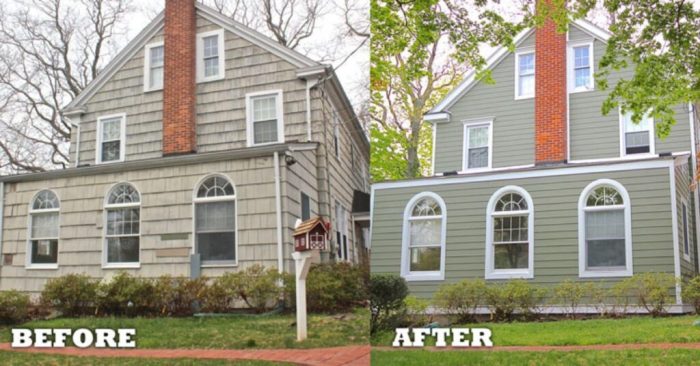
When it comes to redoing siding on a house, one of the crucial steps is safely removing the existing siding to make way for the new installation. Here’s a step-by-step guide on how to tackle this task efficiently.
Step-by-Step Process
- Start by inspecting the existing siding for any damage or rot. This will help you determine the best approach for removal.
- Use a pry bar to gently loosen the siding panels starting from the top and working your way down.
- Carefully remove any trim or accessories attached to the siding before taking off the panels.
- Dispose of the removed siding panels in a designated area to prevent any hazards or clutter in the work area.
- Inspect the underlying structure for any damage or mold that may need to be addressed before installing new siding.
Tips for Handling and Disposing
- Wear protective gear such as gloves and safety goggles to prevent injuries during the removal process.
- Consider renting a dumpster or arranging for a disposal service to efficiently get rid of the old siding materials.
- Separate any recyclable materials from the old siding to minimize waste and promote eco-friendly disposal practices.
Potential Challenges and Solutions
- Challenges may arise when dealing with stubborn nails or screws holding the siding in place. Use a reciprocating saw or metal snips to cut through them if necessary.
- If the existing siding is made of hazardous materials such as asbestos, consult with professionals for safe removal and disposal procedures.
- Weather conditions like extreme heat or cold can impact the removal process. Consider working during mild weather to ensure smooth progress.
Choosing New Siding Material
When it comes to choosing new siding material for your house, there are several options available in the market. Each material has its own set of pros and cons, and it’s essential to consider various factors before making a decision.
Vinyl Siding
Vinyl siding is a popular choice for many homeowners due to its affordability and low maintenance requirements. It comes in a variety of colors and styles, making it versatile for different home designs. However, vinyl siding may crack or fade over time, and some may find it less durable compared to other materials.
Wood Siding
Wood siding provides a classic and natural look to a house, adding warmth and character. It can be painted or stained to match the desired aesthetic. However, wood siding requires regular maintenance, such as painting or staining, to protect it from rot, pests, and moisture damage.
Fiber Cement Siding
Fiber cement siding is a durable and low-maintenance option that can mimic the look of wood or stucco. It is resistant to fire, pests, and rot, making it a long-lasting choice for many homeowners. However, fiber cement siding can be more expensive upfront compared to other materials.
Metal Siding
Metal siding, such as aluminum or steel, is known for its durability and resistance to harsh weather conditions. It is lightweight, easy to install, and requires minimal maintenance. However, metal siding may dent or scratch easily, and some homeowners may find it less visually appealing compared to other materials.
Factors to Consider
- Climate: Choose a siding material that can withstand the climate conditions in your area.
- Maintenance: Consider how much time and effort you are willing to put into maintaining the siding.
- Cost: Determine your budget and the long-term cost implications of each siding material.
- Aesthetics: Select a material that complements the style and architecture of your home.
- Durability: Look for a siding material that is durable and resistant to damage.
Installing New Siding

Installing new siding is a crucial step in renovating your house and giving it a fresh look. Proper installation ensures the durability and aesthetic appeal of your home.
Ensuring Proper Alignment and Secure Attachment
When installing new siding, it is essential to ensure proper alignment and secure attachment to prevent any issues in the future. Here are some tips to help you achieve this:
- Start by measuring and marking the layout of the siding panels to ensure they are installed straight and level.
- Use a level to check the alignment of each panel before securing it in place.
- Make sure to leave a small gap between the siding panels to allow for expansion and contraction due to temperature changes.
- Fasten the siding securely to the house using the appropriate nails or screws, following the manufacturer’s guidelines.
- Pay attention to the corner and edge pieces to ensure a seamless finish and prevent water infiltration.
Common Mistakes to Avoid
During the installation of new siding, there are common mistakes that you should avoid to ensure a successful outcome:
- Avoid rushing the installation process, take your time to ensure each panel is properly aligned and attached.
- Do not overlook the importance of flashing and sealing around windows, doors, and other openings to prevent water damage.
- Avoid using excessive force when nailing or screwing the siding panels, as it can cause damage or distortion.
- Do not ignore the manufacturer’s instructions and recommendations, as they are crucial for the proper installation of the siding.
- Ensure proper ventilation behind the siding to prevent moisture buildup and potential mold growth.
Finishing Touches
After installing the new siding on your house, it is important to focus on the finishing touches to ensure longevity and enhance the overall visual appeal. Properly sealing and protecting the new siding will not only maintain its quality but also contribute to the aesthetics of your home.
Sealing and Protecting the New Siding
- Apply a high-quality exterior caulk to seal any gaps or joints in the siding to prevent water infiltration.
- Consider applying a weather-resistant sealant or paint to protect the siding from UV rays, moisture, and other environmental factors.
- Regularly inspect the siding for any signs of damage or wear and address them promptly to prevent further issues.
Enhancing Visual Appeal
- Choose a color scheme that complements the overall design of your house and blends well with the surrounding landscape.
- Add decorative elements such as trim, shutters, or accents to create visual interest and give your home a personalized touch.
- Consider installing outdoor lighting fixtures to highlight the texture and color of the new siding, especially during the evening hours.
Ending Remarks
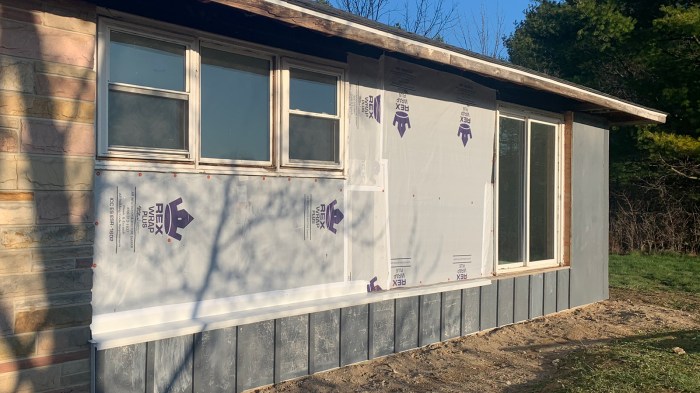
As you wrap up your redo siding project, remember that attention to detail and proper care are key to maintaining the beauty and integrity of your new siding. With this guide in hand, you are well-equipped to tackle the challenges and enjoy the rewards of a refreshed home exterior.
Popular Questions
What are the key tools and materials needed for redoing siding on a house?
Common tools include a hammer, circular saw, utility knife, tape measure, and safety goggles. Materials needed may include siding panels, nails, trim pieces, and caulking.
How can I ensure proper alignment when installing new siding?
Using a level and regularly checking for alignment as you progress can help ensure a straight and even installation of the new siding.
What is the best way to dispose of old siding materials?
Contact your local waste management services to inquire about proper disposal methods for old siding materials to ensure they are recycled or disposed of safely.