Replacing house siding cost sets the stage for this enthralling narrative, offering readers a glimpse into a story that is rich in detail and brimming with originality from the outset.
As we delve into the intricacies of house siding replacement costs, we uncover key factors, average cost ranges, materials used, labor costs, and cost-saving tips that will empower homeowners in making informed decisions.
Factors Affecting House Siding Replacement Cost
When considering the cost of replacing house siding, several factors come into play that can significantly impact the overall expenses. It is essential to understand these key factors to make informed decisions and budget accordingly.
Siding Materials and Costs
The choice of siding material is a crucial factor that influences the replacement cost. Different materials come with varying price points, durability, maintenance requirements, and aesthetic appeal. Here is a comparison of common siding materials and their associated costs:
- Vinyl Siding: Vinyl siding is one of the most affordable options, ranging from $3 to $8 per square foot, making it a popular choice for homeowners on a budget.
- Fiber Cement Siding: Fiber cement siding is a durable and low-maintenance option, with costs ranging from $5 to $12 per square foot.
- Wood Siding: Wood siding offers a timeless and natural look but comes at a higher price point, typically ranging from $6 to $15 per square foot.
- Engineered Wood Siding: Engineered wood siding combines the look of wood with added durability, with costs falling between $5 to $10 per square foot.
- Aluminum Siding: Aluminum siding is known for its longevity and resistance to rust, with prices ranging from $5 to $10 per square foot.
Size and Complexity of the House
The size and complexity of a house play a significant role in determining the cost of siding replacement. Larger homes will naturally require more materials and labor, leading to higher expenses. Additionally, houses with intricate architectural designs, multiple stories, or unique features may require more time and expertise to complete the siding replacement, resulting in increased costs.Considering these key factors when planning for house siding replacement will help homeowners estimate the overall expenses more accurately and choose the most suitable siding material for their budget and aesthetic preferences.
Average Cost of House Siding Replacement
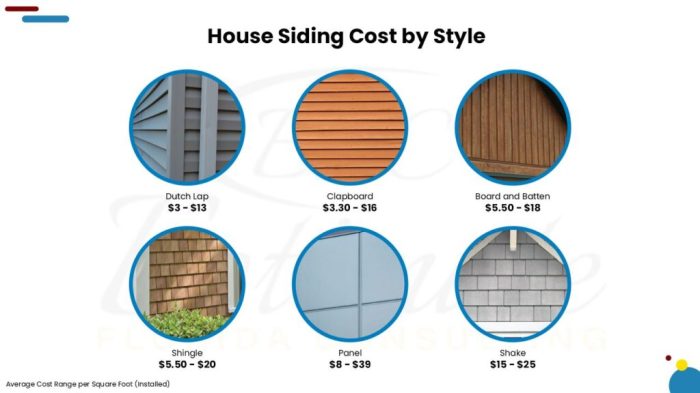
Replacing house siding can be a significant investment for homeowners, with costs varying depending on several factors. On average, the cost of house siding replacement ranges from $5,000 to $15,000. However, this cost can increase based on the size of the house, the type of siding material chosen, labor costs, and the region where the house is located.
Examples of Different Houses and Their Siding Replacement Costs
- A small ranch-style house with vinyl siding may cost around $5,000 to $8,000 to replace.
- A larger two-story house with fiber cement siding could have a replacement cost ranging from $10,000 to $15,000.
- A luxury home with natural wood siding may require an investment of $15,000 or more for replacement.
Regional Cost Variations and Contributing Factors
Regional cost variations play a significant role in determining the overall cost of house siding replacement. Factors that contribute to these discrepancies include:
- Cost of living in the area
- Local labor rates
- Availability of siding materials
- Local building codes and regulations
- Weather conditions that may impact the installation process
Materials Used in House Siding Replacement
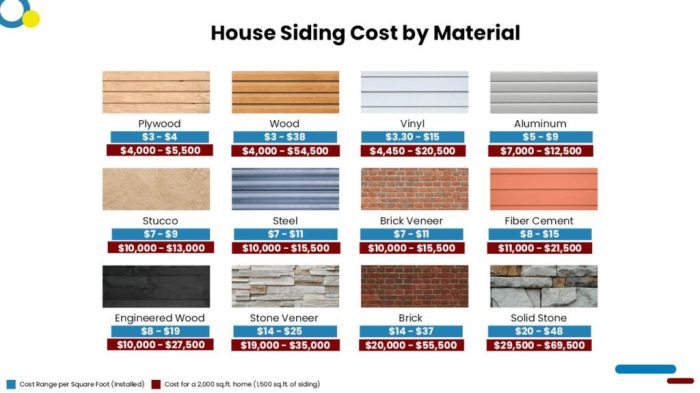
When it comes to house siding replacement, there are various materials to choose from. Each material has its own set of pros and cons in terms of cost, durability, maintenance requirements, and long-term cost implications.
Vinyl Siding
Vinyl siding is one of the most popular choices for house siding replacement due to its affordability. It is low-maintenance and comes in a variety of colors and styles. However, vinyl siding may not be as durable as other materials and can crack or fade over time.
Wood Siding
Wood siding gives a classic look to a home and can increase its curb appeal. While wood siding is durable and can last for many years with proper maintenance, it is more expensive than vinyl siding. Wood siding also requires regular maintenance such as painting or staining to prevent rot and insect damage.
Fiber Cement Siding
Fiber cement siding is a versatile option that can mimic the look of wood or stucco at a lower cost. It is durable, fire-resistant, and low-maintenance. However, fiber cement siding can be heavier and more difficult to install compared to other materials.
Metal Siding
Metal siding is known for its durability and resistance to insects, rot, and fire. It is a low-maintenance option that can last for decades. However, metal siding can be more expensive than vinyl or wood siding, and it may dent or scratch easily.
Labor Costs and Installation Factors
Labor costs play a significant role in the overall expense of replacing house siding. Understanding the importance of professional installation and the factors that can affect the efficiency and cost of the installation process is crucial for homeowners looking to undertake this project.
Professional Installation Impact
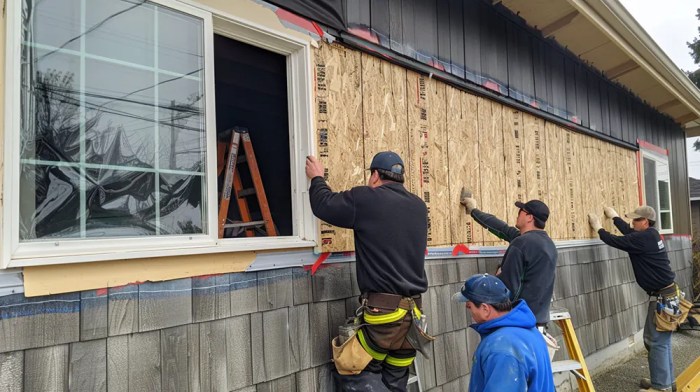
Professional installation of house siding is essential to ensure the job is done correctly and efficiently. While it may seem tempting to attempt a DIY approach to save money, improper installation can lead to costly repairs down the line. Professionals have the expertise and experience to handle the job effectively, ultimately impacting the total cost of the project.
Factors Affecting Installation Efficiency and Cost
- Size and Complexity of the Project: Larger homes or those with intricate designs may require more time and labor, affecting the overall cost of installation.
- Preparation Work: Any necessary prep work, such as removing existing siding or addressing underlying issues, can impact the efficiency of the installation process and add to the labor costs.
- Weather Conditions: Adverse weather can delay the installation process, leading to increased labor costs if the project takes longer than anticipated.
- Quality of Materials: Working with high-quality materials may require specialized installation techniques, affecting the labor costs involved.
- Accessibility: The ease of access to the work area can also influence the efficiency of the installation process and the labor costs associated with it.
Cost-Saving Tips for House Siding Replacement
When it comes to replacing house siding, there are several strategies homeowners can employ to save on costs without compromising quality. From DIY options to making smart material choices, here are some tips to help you reduce the overall expenses of house siding replacement.
Consider DIY Options
If you have some experience with home improvement projects and the necessary tools, tackling house siding replacement as a DIY project can significantly reduce labor costs. However, it’s essential to assess your skills and the complexity of the job before diving in.
Make sure to research proper installation techniques and safety measures to avoid costly mistakes.
Opt for Cost-Effective Materials
Choosing the right siding material can also impact the overall cost of replacement. While premium materials like cedar or fiber cement may offer durability and aesthetic appeal, more budget-friendly options such as vinyl or engineered wood can deliver a similar look at a lower price point.
Consider the long-term maintenance and replacement costs of each material before making a decision.
Shop Around for Deals
Don’t settle for the first quote you receive from a contractor. Take the time to shop around and compare prices from multiple providers to ensure you’re getting the best deal. Some companies may offer discounts or promotions, especially during off-peak seasons, so be sure to inquire about any available cost-saving opportunities.
Maintain Your Siding Regularly
One of the best ways to save on house siding replacement costs is to invest in regular maintenance and inspections. By addressing minor issues promptly and keeping your siding in good condition, you can prolong its lifespan and avoid premature replacement.
Simple tasks like cleaning, painting, and caulking can go a long way in preserving the integrity of your siding.
Consider Energy-Efficient Options
While energy-efficient siding options may come with a higher upfront cost, they can result in long-term savings on heating and cooling expenses. Insulated siding, for example, can improve your home’s energy efficiency and reduce utility bills over time. Evaluate the potential energy savings when selecting siding materials to determine the most cost-effective option for your budget.
Last Point
In conclusion, navigating the realm of house siding costs requires a blend of understanding, preparation, and strategic thinking. By considering the factors discussed, homeowners can embark on their siding replacement journey with confidence and clarity.
FAQ Guide
What are the key factors influencing house siding replacement cost?
Factors such as material choice, house size, complexity, and labor costs play a significant role in determining the overall expense of replacing house siding.
How can homeowners reduce the cost of replacing house siding?
Homeowners can explore cost-saving tips such as DIY options, strategic material choices, and efficient labor management to lower the expenses associated with house siding replacement.
What are the common materials used in house siding replacement?
Common siding materials include vinyl, wood, fiber cement, and metal, each with its own cost and durability considerations.
Why is professional installation important for house siding replacement?
Professional installation ensures proper fitting, enhances durability, and minimizes long-term maintenance costs, making it a crucial aspect of the overall siding replacement process.
Are there regional variations in house siding replacement costs?
Yes, regional cost variations exist due to factors like material availability, labor rates, and local building codes, influencing the overall cost of replacing house siding.